Connecting the Dots: KSG's Approach to National Transformation
Connecting the Dots: KSG’s Approach to National Transformation
August 4, 20262026-08-10 10:15
Connecting the Dots: KSG’s Approach to National Transformation
Connecting the Dots: KSG’s Approach to National Transformation
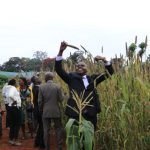
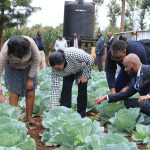
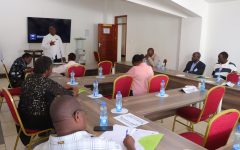
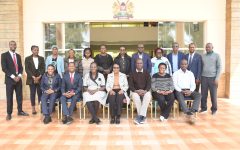
Cohort IV participants of the Leadership Programme for National Transformation (LPNT) ventured into the agriculture and energy sectors for an experiential learning journey designed to bridge theory and practice while exposing them to the realities of national transformation initiatives.
At KALRO Embu and the Masinga Hydroelectric Power Station, participants explored the intricate machinery of national development, where research, infrastructure, policy, technology, and human capital converge. The experience underscored a critical leadership lesson: transformation is rarely the result of a single intervention; it is the outcome of many moving parts working toward a shared purpose.
At the research Centre, the engagement brought into focus crop improvement, pest and disease management, climate resilience and sustainable agricultural practices, areas whose implications extend well beyond the farm. The Centre’s work demonstrated the value of evidence in shaping responses to national challenges with the deeper lesson being about the responsibility to anticipate change.
At Masinga Hydroelectric Power Station, part of the Seven Forks Hydroelectric Development Scheme, guided by engineers and technical experts from the Kenya Electricity Generating Company (KenGen), the participants gained perspectives on the interconnected nature of Kenya’s electricity ecosystem bringing into focus the importance of institutional coordination.
The two excursions presented a lesson from two seemingly different worlds: development is interconnected. The resilience of an agricultural economy can influence livelihoods, markets and food security, just as reliable energy can influence industrialisation, public service delivery and economic opportunity. Decisions made in one policy space can consequently produce effects far beyond its immediate boundaries.
This is where the experiential learning model adopted by the School assumes particular significance. By placing leaders in environments where they can observe systems at work, interrogate institutional relationships and connect policy with practical outcomes, the School is helping participants develop a form of leadership that is less confined to individual mandates and more attuned to the wider national picture.